News
17
2024
-
05
Analysis of common problems and causes in beam-slab prestressed tensioning construction
1. Introduction
There are five common problems in prestressed tensioning construction: (1) wire breakage, strand breakage, and shrinkage; (2) anchor sinking and concrete cracking; (3) blockage of prestressed ducts, unable to grout; (4) concrete cracking at the end of the beam after tensioning; (5) detachment of steel strands with extrusion sleeves. The author analyzes the causes of the above five problems.
2. Analysis of Five Problems in Prestressed Tensioning of Beam Slabs
2.1 Wire Breakage, Strand Breakage, and Shrinkage
The commonly used prestressed wires for beam slabs generally consist of 7 strands with a nominal diameter of 15.2 mm. During tensioning, it is common to encounter situations where one wire breaks, but complete strand breakage is relatively rare. Scratches on the wire and shrinkage after tensioning are also common occurrences.
(1)Causes of Wire Breakage and Strand Breakage:
Quality Issues of Prestressed Wires: Prestressed wires' quality problems can usually be detected through testing and are rare in products produced by regular manufacturers.
Excessive Stress on Single Strand: Several situations may lead to excessive stress on a single strand:
a. Poor anchoring of the tool's clamp, causing slippage of the wire during tensioning, resulting in some wires not being stressed, while others are overstressed, leading to wire breakage.
b. Problems with the tensioning equipment data, such as lack of calibration or expired calibration.
c. Damage to the wire during tensioning, such as welding burns, high-temperature burns, or electric current damage.
d. Interweaving of wires inside the corrugated pipe during wire threading, causing significant differences in stress on the wires.
Scratches on the Wire:
a. The alignment angle during tensioning, positioning of the tensioning tool, jacks, limit plates, working anchors, anchor pads, and the axis of the corrugated pipe should be in a straight line. Misalignment may cause scratches on the wire.
b. Different manufacturers produce working anchors with different diffusion angles, leading to different requirements for anchor diffusion based on the diameter and length of the corrugated pipe. The compatibility of different products should be determined accordingly.
c. The working principle of the limit plate. During tensioning, when the working clamp moves back to abut the limit plate, it should be in a loose state. However, due to the elastic force of the outer steel wire elastic ring, the teeth of the clamp are pressed tightly against the wire, resulting in slight scratches on the surface of the wire, especially the inner surface. After tensioning to the required position and load holding, when retracting the oil, the clamp moves forward with the wire to the tapered hole of the anchor ring (follow-up). Under the positive pressure generated by the tapered hole, the teeth of the clamp embed into the wire and anchor it.
d. Insufficient depth of the limit groove affects the amount of shrinkage. The clamp cannot timely retract and anchor with the wire, affecting the elongation slightly. See figure 2 for the working situation of the limit plate.
e. Attention issues: When installing working clamps, steel wire elastic rings must be installed; otherwise, uneven follow-up of the clamps may occur, resulting in incorrect teeth or wire slippage.

Figure 1 Schematic diagram of working anchors produced by different manufacturers
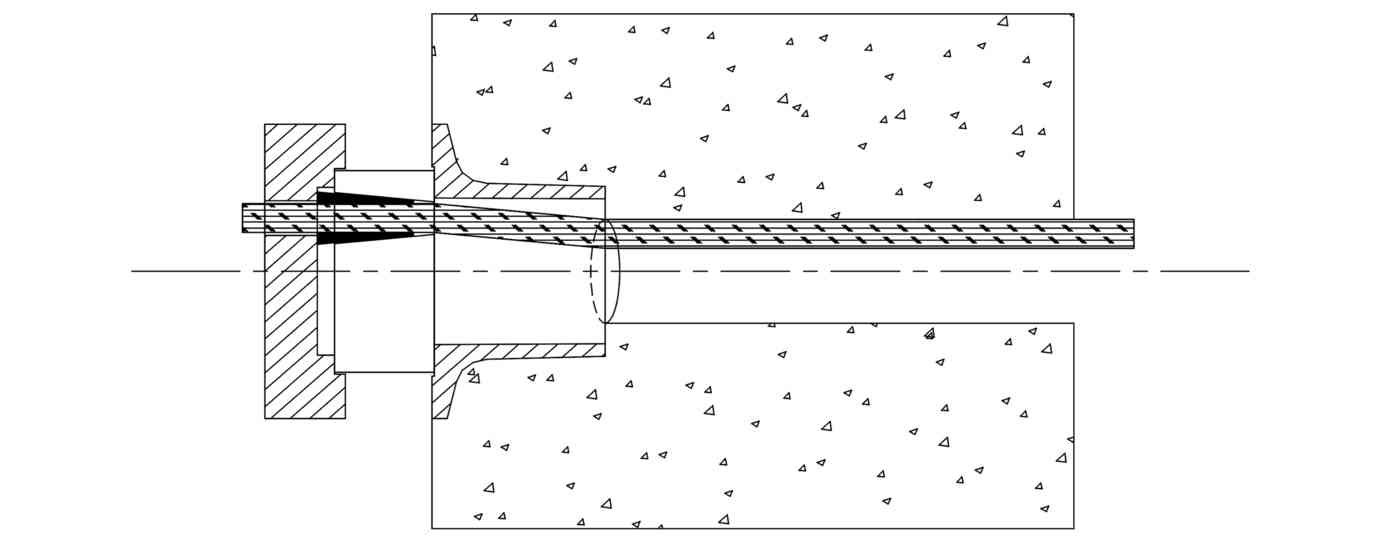
Figure 2 Schematic diagram of the working of the limit plate
(2) Shrinkage of the steel strands can be analyzed from the following three aspects: a. Rusting of the clamps and steel strands, causing slippage during tensioning and failure to lock; b. Scratching and thinning of the steel strands, the reasons for which are explained in 2.1.
These various issues often have strong correlations, so careful analysis of the current situation is necessary to identify the root causes of the problems.
2.2 Anchor sinking and concrete cracking
This phenomenon often occurs during construction and can be analyzed from the following four aspects: a. Concrete not meeting the design strength requirements; b. Inadequate compaction during concrete pouring, leading to hidden voids; c. Failure to snugly fit the spring bars to the anchor pads, and improper placement of the anchor-down steel mesh according to design requirements; d. External concrete collapse generally occurs at curved sections, primarily due to issues with steel placement. At the ends of cast-in-place bridges, due to the interference of transverse prestress and steel, workers often miss placing steel, resulting in weak areas prone to cracking during tensioning, posing significant safety hazards.
2.3 Blockage of prestressed ducts leading to grouting difficulties
Prevention of this situation can generally be approached from the following aspects: a. Ensure the quality of corrugated pipe products and tight sealing of joints; b. For plastic corrugated pipes, avoid damage from welding slag; c. Avoid vibrating the corrugated pipe during concrete pouring; d. Pre-thread a lining tube inside the corrugated pipe to prevent cement slurry from entering.
2.4 Concrete cracking at the beam end after tensioning
During beam slab tensioning, the mid-section of the beam may arch, causing the concentrated weight of the beam to bear down on both ends, resulting in damage. Solution: Design the beam ends with rounded corners.
2.5 Detachment of steel strands with extrusion sleeve connections
Dealing with extrusion sleeve detachment during construction is very difficult. The reasons for this can include: a. Incompatibility between the sleeve and extrusion equipment. Whenever possible, products from the same manufacturer should be used; b. Insufficient length of steel strands inserted; c. Insufficient length of inserted spring wires; d. Failure to secure the steel strands in the joint or failure to take reliable measures to prevent slippage.
3.Conclusion
There are various issues that may arise during beam slab prestressing, but by understanding the basic principles of tensioning, the root causes can be identified to prevent their recurrence during subsequent construction.

Latest News

—
Sep 15,2021
Leave A Message

All products are selling well in both domestic and abroad.We also welcome OEM and ODM orders.
Contact Us
 info@hndfyyl.com
 +8615093660266
 Luhuagang turntable 50 meters, Yuwangtai District, Kaifeng, Henan Province, China
Copyright © Kaifeng Dafang Prestressed Co, Ltd. All Rights Reserved. Powered by:www.300.cn SEO Privacy Policy
Copyright © Kaifeng Dafang Prestressed Co, Ltd. All Rights Reserved.
TOP
在线留言